
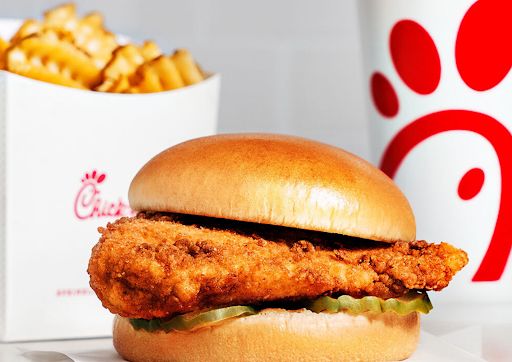
How did the Chick-fil-A franchise become what it is today? How much does a Chik-fil-A owner make? Is it still a profitable franchise?
Chick-fil-A, a household name synonymous with delicious chicken offerings and exceptional service, has a rich history that spans decades. It has become one of the fastest-growing quick-service franchise establishments in the country.
Founded in 1946 by S. Truett Cathy in Hapeville, Georgia, Chick-fil-A began as a humble diner known for its innovative approach to serving boneless chicken. As the years unfolded, so did the company’s success, evolving from a local diner into a national phenomenon.
This journey includes not only the growth of a beloved fast-food brand but also the establishment itself, along with the development of a unique franchise model that has set Chick-fil-A apart in the competitive world of quick-service restaurants. As Chick-fil-A continues to capture the hearts and taste buds of consumers across the country, prospective franchisees must grasp the financial intricacies that underpin the success of these franchises.
In this post, we’ll unravel the financial dynamics of Chick-fil-A franchise ownership, shedding light on the factors that influence the earnings of franchisees and the essential considerations for those seeking to embark on this rewarding business venture.
Table of Contents
- How Much Does a Chik-fil-A Owner Make? The Truth of the Profit
- Cost of Opening a Chik-fil-A Franchise
- Chick-fil-A Franchise: Navigating the Pros and Cons of Ownership
- Final Thought
How Much Does a Chik-fil-A Owner Make? The Truth of the Profit

Source: Photo from ChickfilA Facebook Page
Chick-fil-A, with its distinctive red and white signage and delectable chicken offerings, has not only captured the hearts of millions but also stands as a beacon of success in the fast-food industry. For prospective franchise owners, the burning question often revolves around the potential earnings tied to the iconic Chick-fil-A brand. Let’s dive into the financial landscape of Chick-fil-A ownership and unveil the impressive facts and figures that make it one of the most lucrative franchises in the United States.
Chick-fil-A: A Powerhouse in the Fast-Food Industry
Chick-fil-A has consistently proven itself as a powerhouse in the competitive fast-food landscape. According to the Nation’s Restaurant News Top 500 report for 2022, the chain boasted a staggering $18.8 billion in sales, marking a remarkable 12.8% increase from the previous year. Notably, Chick-fil-A restaurants outshine their competitors, generating higher revenue per location than any other national chain.
Revenue Per Location: A Testament to Success
In 2022, the average Chick-fil-A location raked in nearly $8.7 million in sales annually, showcasing a notable uptick from the previous year’s $8.1 million. Mall locations, while slightly lower, still boasted an impressive average of $3.7 million in sales. This data emphasizes the widespread appeal and patronage that Chick-fil-A enjoys across diverse locations.
Going deeper into the financial aspects, let’s explore the operating profit that contributes to the overall success of Chick-fil-A franchisees. On average, a Chick-fil-A franchise makes a substantial $8,072,000 in sales per year. Notably, this figure varies based on location, with non-mall units leading the pack at $8,581,000 compared to mall units’ $2,694,000.
Using the average annual sales of non-mall units, the estimate that the average Chick-fil-A makes an impressive $1,277,000 in profits per year (EBITDA), boasting a 15% EBITDA margin. It’s crucial to note that this operating profit includes costs of goods sold (COGS), labor, rent, and royalty and marketing fees paid to the franchisor.
Cost of Opening a Chik-fil-A Franchise
While we’ve answered the question, “How much does a Chik-fil-A owner make?”, we’ll also unravel the details surrounding the cost of opening a Chick-fil-A franchise, exploring both the initial investment and the total expenses for potential franchisees.
Initial Investment: An Affordable Entry Point
While some franchises demand a substantial upfront investment, Chick-fil-A stands out as one of the more affordable options. According to the company’s website, the initial investment for a new Chick-fil-A franchise falls within the range of $10,000 to $15,000. This franchise fee is notably low compared to other quick-service restaurants, providing an accessible entry point for aspiring entrepreneurs.
The Full Picture: Total Cost of Opening a Chick-fil-A Franchise
However, it’s crucial to recognize that the initial investment is just the beginning. The total franchise cost of opening a Chick-fil-A can range from $342,990 to $1,982,225. This comprehensive figure includes various elements such as real estate, equipment, inventory, and additional expenses essential for launching and sustaining a successful Chick-fil-A location.
The average investment required from the franchisee, inclusive of the initial franchise fee, is $1,661,000. This amount, based on the latest Franchise Disclosure Document (FDD), is an average that considers factors such as location, size, and type of the restaurant. The investment range specified in the FDD varies from a minimum of $518,000 to a maximum of $2,804,000.
Breaking Down the Investment: What’s Included?
This investment covers everything a new Chick-fil-A business needs at the outset. It includes expenses such as opening inventory, the first month’s rental of equipment, lease costs, insurance, and additional funds earmarked for operations to navigate potential losses during the initial months.
Are you looking for other affordable franchise options? Your Franchise Fit is an established franchising consulting firm offering excellent franchise brands that can match your business budget. Call and talk to one of our advisors now.
Chick-fil-A Franchise: Navigating the Pros and Cons of Ownership
Venturing into the world of franchise ownership, especially with a powerhouse like Chick-fil-A, presents a myriad of opportunities and challenges. Here are key advantages and disadvantages that aspiring Chick-fil-A franchisees should consider when considering this renowned fast-food franchise.
The Pros
- Extensive Training Program
Chick-fil-A prioritizes the success of its franchisees by providing an extensive multi-week training program and development courses. This comprehensive training equips franchisees with a solid understanding of the business concept, fostering a foundation for operational excellence.
- Low Start-up Cost
A notable advantage of Chick-fil-A franchise ownership is the low start-up costs. The franchisor covers significant expenses such as real estate, construction, and equipment. With franchisees only required to fund a $10,000 franchise fee, Chick-fil-A holds a competitive edge in terms of affordability.
- Good Life-Work Balance
Operating on a six-day week schedule and observing the closure of restaurants on Sundays, Chick-fil-A offers franchise operators a unique balance between work and personal life. This structure allows operators to dedicate time for self-improvement and service enhancement.
- Site Selection and Real Estate Support
Chick-fil-A takes the lead in site selection and real estate, providing franchisees with criteria and support throughout the construction process. This hands-on approach allows operators to focus solely on the business’s day-to-day operations.
- No Minimum Net Worth Requirement
Unlike some competitors in the industry, Chick-fil-A does not impose a minimum net worth or liquid asset requirement on its franchisees. This flexibility provides a more inclusive opportunity for aspiring entrepreneurs.
- Attractive Business Model
Ranked as the second-largest quick-service chicken restaurant chain in the United States, Chick-fil-A offers franchisees an attractive business model with considerable growth potential across the country.
If you’re planning to start your own food franchise, we have several brands at Your Franchise Fit that could fit your interest in the same industry.
The Cons
- Restricted Control of Franchise
Chick-fil-A retains ownership of critical elements, including the building and equipment, limiting the control that franchisees have over their businesses. This structure means that franchisees function primarily as operators without the ability to sell or pass the business to family members.
- Not Suitable for Absentee Ownership
Franchise ownership with Chick-fil-A is not suited for absentee ownership. The franchisor mandates that franchisees be actively involved in the operation of their franchises, excluding other investments.
- Rigorous Selection Process
Chick-fil-A maintains a meticulous selection process for franchise operators. Statistics indicate that only about 0.4 percent of applicants successfully navigate the approval process, underscoring the competitive nature of becoming a Chick-fil-A franchisee.
- Multiple Unit Operations Are Not Allowed
The franchisor emphasizes commitment to the operations of one restaurant, rarely approving multiple unit operations. This restriction may limit expansion opportunities for franchisees seeking to operate multiple Chick-fil-A locations.
While a Chik-fil-A franchise can be a lucrative venture, getting your application approved can be difficult because of its strict process. But don’t give up on your franchise dream just yet, Your Franchise Fit offers profitable franchises that are worth considering. You might just find the franchise venture that’s a real fit for you.
Final Thought
In conclusion, the journey into Chick-fil-A franchise ownership is undoubtedly influenced by several key factors. It’s more than getting the answer to “How much does a Chik-fil-A owner make?” From the brand’s exponential growth and strategic approach to franchise development to the potential for high earnings and the unique financial model, each aspect plays a crucial role in the overall success of franchisees.
As potential franchise owners consider this opportunity, it is essential to emphasize the importance of making well-informed decisions. The transparency provided by Chick-fil-A regarding its financial model, initial investment, and operational intricacies allows aspiring entrepreneurs to approach the venture with clarity and confidence.
Ultimately, the profitability and potential rewards of owning a Chick-fil-A franchise are promising. However, it’s equally crucial for potential franchise owners to delve deeper and weigh the pros and cons before considering a Chick-fil-A franchise.
As with any franchise venture, it’s important to have the right franchise that fits your business goals and interests. And that’s what we’re committed to doing at Your Franchise Fit. We make sure our potential franchisees are carefully guided in the process from knowing their business capabilities and choosing the right franchise to getting support from legal franchise experts and awarding their franchise.
Contact us for a free consultation. We have excellent franchise brands in various industries that could well be a fit for you. Ready to start your own profitable franchise?
