
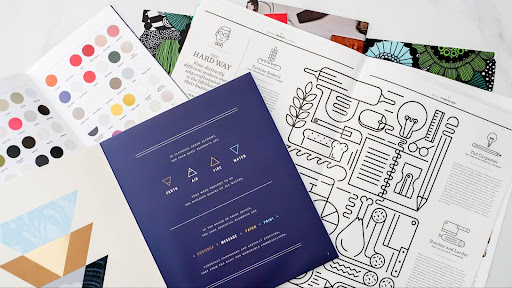
In the dynamic marketing landscape, the role of sales brochures in conveying a compelling message still proves effective. These tangible, visual representations are invaluable tools for businesses, providing a concise yet comprehensive snapshot of products and services.
Today, we delve into this marketing collateral, focusing on the importance of sales brochures and extracting inspiration from the best sales brochure examples. Whether you are an entrepreneur launching a new venture or an established franchise owner seeking to level up your promotional materials, this blog post aims to be your resource for mastering sales by creating effective brochures.
The significance of sales brochures in marketing lies in their ability to provide complex information in a visually appealing format and make it accessible to a broad audience. Let’s explore how to master the art of sales through the lens of the best sales brochure examples.
Table of Contents
- Importance of Effective Sales Brochures
- Understanding Your Audience
- Choosing Your Sales Brochure Layout
- Key Elements of Effective Sales Brochures
- Practical Tips for Crafting Exceptional Sales Brochures
- Utilizing Effective Design Principles for Maximum Impact
- Common Mistakes to Avoid in Crafting Sales Brochures
- Tools and Resources for Creating Sales Brochures
- Tips for Cost-Effective Brochure Production
- Conclusion
Importance of Effective Sales Brochures
In the fast-paced business world, where digital marketing often takes the spotlight, the role of traditional marketing materials remains as crucial as ever. Among these, sales brochures stand out as indispensable tools for businesses aiming to enhance brand visibility, credibility, and the overall efficacy of their sales strategy.
- Enhancing Brand Visibility and Credibility
First Impressions Matter
Effective sales brochures are ambassadors for your brand, making an impactful first impression. With carefully crafted design elements, compelling content, and a cohesive visual identity, a well-designed brochure can elevate brand visibility. The tangible nature of brochures allows potential customers to physically engage with your brand, creating a lasting impression beyond the digital realm.
Building Trust and Credibility
A professionally designed brochure exudes credibility and competence. Investing in a polished and well-presented brochure communicates to potential customers that your brand is serious about its products or services. This tangible representation of your business becomes a tangible touchpoint that builds trust and confidence in the minds of your audience.
- Communicating Key Information by Storytelling Through Design
Sales brochures offer a canvas for storytelling through design. Through carefully curated visuals and concise yet compelling content, brochures can effectively communicate your brand’s story, mission, and unique value proposition. This kind of sales approach creates an emotional connection with potential customers, helping them understand what you offer and why it matters. Some of the sales brochure examples highlight this aspect.
- Providing Comprehensive Information at Hand
Sales brochures serve as repositories of information that potential customers can easily reference. From product features and benefits to pricing details and contact information, a well-structured brochure ensures that crucial information is readily available. This accessibility becomes a valuable asset in the decision-making process for potential customers. Effective sales brochure examples evoke a better response when pertinent information is readily provided.
- Impact on the Overall Sales Strategy
Supporting the Sales Team
Sales brochures are invaluable tools for sales teams. Whether used in face-to-face meetings, mailed to potential clients, or distributed at trade shows, brochures provide sales professionals with tangible materials to support their presentations. The visual aids and detailed information within a brochure empower the sales team to articulate the value of products or services more effectively.
Aligning with Digital Marketing Efforts
While digital marketing channels are essential, the synergy between digital and traditional approaches is vital. Sales brochures can seamlessly align with digital efforts by incorporating QR codes, directing potential customers to online resources, or encouraging social media engagement. This cohesive approach ensures that your brand’s message is consistent across various platforms.
If you’re contemplating starting your own franchise business but are overwhelmed by which strategies will work for you, Your Franchise Fit can help you start and build a profitable franchise venture. Contact us now and talk to one of our franchise advisors.
Understanding Your Target Audience

Source: Photo by Blake Wisz from Unsplash
The adage “Know your audience” holds paramount significance in marketing. Tailoring messages and designs to connect with a target audience becomes a strategic imperative for any business. A good sales brochure example focuses on customers and their needs. So, let’s explore why understanding your audience is crucial and explore examples of diverse audience types and their needs.
The Importance of Tailoring to Your Target Audience
- Personalized Connection
Tailoring your brochure to your target audience creates a personalized connection. By addressing your audience’s specific needs, preferences, and pain points, your brochure becomes more relatable. This personal touch fosters a deeper connection and resonates with potential customers on a level that generic, one-size-fits-all marketing materials cannot achieve.
- Increased Relevance
A well-tailored brochure is inherently more relevant. When potential customers see content directly addressing their concerns or interests, they are likelier to engage with the material. Relevance is influential in capturing attention and encouraging the audience to take the desired action, whether purchasing, requesting more information, or attending an event.
As an established franchise consulting agency with years of solid experience, Your Franchise Fit helps franchisees identify the market pulse and pinpoint their customers’ needs to convert business sales and grow their market.
Examples of Different Audience Types and Their Needs
- B2B vs. B2C Audiences
For B2B audiences, brochures should focus on conveying the tangible benefits and value propositions that resonate with business goals. Highlighting case studies, cost-effectiveness, and ROI can be pivotal. On the other hand, B2C audiences may respond more positively to emotional appeals, vivid visuals, and messages that align with their lifestyle or aspirations.
- Decision-Makers vs. Influencers
Understanding the distinction between decision-makers and influencers within your target audience is vital. Decision-makers may prioritize factors such as cost-effectiveness, scalability, and bottom-line impact. Conversely, influencers might be more responsive to aesthetic appeal, user experience, and social proof. Tailoring your brochure to speak to both segments ensures comprehensive engagement.
Your Franchise Fit knows that one of the keys to business success is effectively engaging customers. Our team coaches and equips franchisees with invaluable tools and resources to increase sales conversion.
Choosing Your Sales Brochure Layout
Choose a layout that aligns with your content and design goals. Some of the standard brochure layouts include:
- Bi-fold: This creates four panels by folding a single paper sheet in half.
- Tri-fold: This creates six panels by folding a single sheet of paper into thirds.
- Z-fold: This layout creates six panels by folding a single paper sheet in a zigzag pattern.
- Accordion fold: This layout creates multiple panels by folding a single sheet of paper multiple times in a zigzag pattern.
Your choice of format also depends on the paper you will use for printing. Choose the suitable size for your brochure based on content and distribution method.
Common paper sizes include:
- Letter size (8.5 x 11 inches)
- Legal size (8.5 x 14 inches)
- Tabloid size (11 x 17 inches)
Other popular sizes:
- A4 (210 x 297 mm) – more commonly used internationally
- B4 (250 x 353 mm)- provides more space for content and images
Key Elements of Effective Sales Brochures
A well-crafted sales brochure is a dynamic tool in your marketing arsenal, captivating your audience and driving conversions. Consider these key elements and expert design practices to create brochures that stand out.
- Clear and Concise Messaging
Typography Matters
Begin with the foundation of clear and concise messaging by selecting fonts that are visually appealing and easily readable. Legible fonts enhance your design, ensuring your audience can effortlessly absorb your message without any visual hindrance.
Logical Content Organization
To complement clear messaging, organize your content into logical sections or panels. Learn to utilize headings, subheadings, and bullet points to create a structure that facilitates easy scanning. This approach lets your audience quickly grasp key information, making your message more digestible and impactful.
- Captivating Visuals and Design
Incorporate High-Quality Images
Visual elements always play a role in capturing attention. Incorporate high-quality images, illustrations, or graphics that support your content and create visual appeal. Engaging visuals enhances the overall aesthetics of your brochure and is a powerful tool for conveying your brand message.
Align with Your Color Scheme
Opt for a color scheme that aligns seamlessly with your branding and design goals. Use contrasting colors to emphasize key information and guide the reader’s focus. A harmonious color palette enhances visual appeal and contributes to the overall cohesion of your brand identity.
- Call-to-Action that Drives Conversion
Arguably one of the most critical elements, your brochure should feature a compelling call to action (CTA) to prompt readers to take their desired next step. Whether visiting a website, purchasing, or contacting your company, a clear and actionable CTA guides your audience towards conversion.
Practical Tips for Crafting Exceptional Sales Brochures
Here are practical tips to ensure your sales brochures stand out and make a lasting impact:
- Conduct Thorough Audience Research
Before diving into brochure creation, invest time in comprehensive audience research. Conducting audience research also includes understanding your target audience’s demographics, preferences, and behavior. Identify their challenges, aspirations, and decision-making factors.
- Create Buyer Personas
Develop detailed buyer personas that represent different segments of your target audience. These personas should encapsulate key traits, pain points, and preferences.
- Clearly Identify Customer Pain Points
Your brochure should address customer pain points directly. Identify these pain points clearly and articulate how your product or service provides solutions.
- Emphasize Benefits, Not Just Features
While highlighting features is important, emphasizing the benefits your product or service brings to the customer is equally crucial. Illustrate how your offering addresses specific pain points and improves the customer’s situation.
- Learn from the Best
Draw inspiration from the best sales brochure examples. Analyzing successful examples in your industry or beyond can provide insights into effective layouts, messaging strategies, and design elements that resonate with audiences. Seek inspiration to infuse innovation into your own brochure designs.
- Consistently Improve
Stay informed about the latest design and marketing trends and explore innovative approaches. Updating your brochure designs based on industry best practices and emerging trends ensures that your marketing materials remain fresh, engaging, and aligned with evolving consumer preferences.
Interested to know more expert marketing tips and advice to help you start your own franchise business? Your Franchise Fit can help you from the initial process of choosing the right business to growing your dream franchise venture.
Utilizing Effective Design Principles for Maximum Impact
Making eye-catching and effective brochures entails certain design guidelines. Here are basic principles to help you create good sales brochure examples:
- Keep It Visually Appealing
Capture attention with a visually appealing design. Utilize high-quality images, graphics, and illustrations that complement your content. Consistency with design elements, such as color schemes and fonts, creates a cohesive look that enhances the overall aesthetics of your brochure.
- Prioritize Readability
Choose fonts and typography that enhance readability. Ensure that your text is legible and organized in a way that guides the reader seamlessly through the content. Balancing text with visuals creates a harmonious design that captures attention while delivering information effectively.
- Use White Space Wisely
Embrace the power of white space in your design. Avoid clutter and allow for ample white space around key elements. This technique enhances the visual appeal and ensures your message is visible in a sea of competing graphics and text.
- Guide the Reader’s Eye
Implement design elements that guide the reader’s eye through the brochure. Use visual hierarchy, strategic placement of images, and compelling headlines to create a natural flow. This design principle ensures that your audience engages with the content in a structured and intuitive manner.
Common Mistakes to Avoid in Crafting Sales Brochures
Creating a sales brochure to communicate your message and drive engagement effectively is an art. Here are common mistakes to avoid when crafting your sales materials.
- Overloading with Information
- Clarity over Complexity
One common mistake is overloading your brochure with information. While it’s tempting to showcase every detail about your product or service, an overwhelming amount of information can lead to confusion. Aim for clarity over complexity by focusing on key messages and benefits. Concisely presenting information enhances comprehension and encourages your audience to delve deeper if needed.
- Prioritize Relevance
Evaluate the relevance of each piece of information. If it doesn’t directly contribute to the core message or address customer pain points, consider whether it belongs in the brochure. A streamlined and focused approach ensures your audience can absorb the most pertinent details without feeling overwhelmed.
- Neglecting the Importance of Design and Layout
- Visual Appeal Matters
Neglecting the importance of design and layout is a critical misstep. A visually unappealing brochure can deter potential customers from engaging with your content. Make sure your design aligns with your brand identity, utilizes high-quality visuals, and maintains a clean and professional appearance.
- Balance Text and Images
Avoid overwhelming your brochure with text or relying solely on visuals. Balancing between text and images is essential to maintaining reader interest. Engage your audience with visually appealing graphics while providing concise, compelling copy that complements the overall design.
- Failing to Have a Clear Call-to-Action
- The Power of Guidance
Failing to have a clear call-to-action (CTA) is a missed opportunity. Your brochure should guide the reader on the next steps, whether visiting a website, purchasing, or contacting your company. A well-crafted CTA bridges engagement and conversion, so ensure it stands out and prompts decisive action.
- Be Direct and Specific
Avoid vague or generic calls to action. Be direct and specific about what you want your audience to do. Clarity in your CTA enhances the likelihood of the desired response, whether telling customers to fill out a form, subscribe to a newsletter, or take advantage of a limited-time offer.
Aside from helpful marketing tips and strategies, our aim at Your Franchise Fit is to help you become a leader in the franchise business. We believe that supporting franchisees is more than giving strategies but also coaching them to grow in their potential as business owners.
Tools and Resources for Creating Sales Brochures
Creating compelling sales brochures can be a manageable task. With the right tools and resources, you can streamline the design and content creation process, even if you’re a beginner. Let’s explore some valuable tools, templates, and cost-effective tips to enhance your brochure production journey.
Online Platforms and Software for Design and Content Creation
- Canva
Canva is a versatile online platform that simplifies design for beginners and professionals. With a user-friendly interface, it offers a range of templates, graphics, and customization options. Canva allows you to create visually stunning brochures without requiring extensive design skills.
- Adobe InDesign
Adobe InDesign is a powerful desktop publishing software for those seeking more advanced design capabilities. This design tool provides a comprehensive suite of tools for precise layout, typography, and image editing. While using it takes a learning curve, the results can be exceptionally polished and professional.
- Adobe Photoshop
Adobe Photoshop, a part of the Adobe Creative Cloud suite, is a powerful tool for image editing and graphic design. While often associated with photo manipulation, it’s also a valuable resource for creating visually captivating brochure elements. It provides extensive options for enhancing images and creating custom graphics.
- Piktochart
Piktochart specializes in infographic design, making it an excellent choice for brochures that rely on visual storytelling. This handy tool offers a collection of templates and customization options so users can easily create engaging and informative brochures.
Templates and Guides for Beginners
- Microsoft Office Templates
Use their built-in brochure templates if you’re familiar with Microsoft Office applications, such as Word or PowerPoint. These templates provide a simple and accessible starting point for beginners, allowing you to focus on content creation without grappling with complex design tools.
- HubSpot’s Brochure Templates
HubSpot offers a collection of free brochure templates designed to meet various business needs. These templates are user-friendly and customizable, providing a structured foundation for beginners to build upon. They cover a range of industries and styles, ensuring there’s something for everyone.
Your Franchise Fit believes in providing relevant and up-to-date tools and resources to give budding franchisees the edge in the competitive market. Our reliable team promises to deliver excellent personalized services to every franchisee.
Tips for Cost-Effective Brochure Production
After trying out and finalizing your designs, you’re now ready to distribute the brochures you’ve created. Here are ways you can produce and distribute them:
- Print-on-Demand Services
Consider using print-on-demand services for brochure production. These services allow you to print materials in small quantities, reducing upfront costs and minimizing waste. This approach mainly benefits businesses with fluctuating demand or those testing different brochure versions.
- Digital Distribution
Embrace digital distribution as a cost-effective alternative to traditional printing. Electronic brochures, or e-brochures, can be easily shared through email, websites, and social media. Distributing through digital channels can save you on printing costs and provide a convenient and environmentally friendly way to reach your audience.
- Freeware and Open-Source Tools
Explore freeware and open-source design tools as cost-effective alternatives to premium software. Tools like GIMP (GNU Image Manipulation Program) offer powerful design capabilities without the associated costs. While they may require a learning curve, they provide valuable options for those on a budget.
Conclusion
While many businesses are leaning toward digital strategies for marketing, sales brochures still engage customers in a certain kind of way. Effective sales brochure examples strategically communicate brand stories, enhance visibility and credibility, and guide potential customers toward conversion. Franchisees can maximize these materials and align them with their overall marketing strategy.
Need expert consulting advice and support to start or market your franchise business? Our team of franchise advisors at Your Franchise Fit will help you navigate the world of franchising with ease. We also provide support for franchisees with effective marketing tools and valuable resources to boost their franchise venture. Contact us now and book our free consulting and coaching services. Together, let’s make your franchising dreams come true!
